
Night sky · 3 MIN READ
Meteor showers and stargazing around Kalkan
Plan a night under the stars with darkness, access and the Moon in mind. From a villa terrace to choosing a suitable spot away from town lights.

You do not need a telescope to set aside a holiday evening for the sky. A comfortable seat, a little patience and some time away from a bright screen are a useful start. Try not to make the whole night depend on catching one perfect streak of light.
Choose the conditions, not just the peak date
The Perseids are a summer meteor shower that generally peaks around mid-August. Moonlight, clouds and surrounding lights affect what you can see. NASA’s Perseid guide is a useful introduction to the event.
This guide does not promise a particular year’s peak night or a number of meteors per hour. Check the current sky calendar and local weather forecast near your trip. A headline about ideal meteor rates is not a guarantee of what you will see from Kalkan.
Where might you watch around Kalkan?
Start with your villa terrace if you can switch off its outdoor lights and see a useful area of sky. A sea view does not necessarily mean a dark sky, so look at neighbouring lights as well. With children, or if you would rather avoid driving at night, staying close to home may be the most comfortable choice.
The settlement areas towards İslamlar and Bezirgân may be worth considering when looking away from central Kalkan’s lights. This is not a recommendation to stop on any roadside. Choose a place you have seen in daylight, where stopping and being present are permitted, without entering private property. Bends, narrow roads and cliff edges are unsuitable places to settle down.
Muar Bay and the Gerenlik area are also mentioned as possibilities, but current night access and use conditions need to be verified before planning a visit. We are not providing a parking point or night walking route for these coves. Do not make an unfamiliar path your first visit after dark; if access remains uncertain, choose an accessible terrace or permitted area near a settlement instead.
Do not assume Patara is a night-time viewing site
An open horizon may look appealing, but Patara’s turtle nesting habitat and seasonal night restrictions come first. Consult the official regional tourism guidance and current local signs. A sunset visit and an overnight skywatch are different plans; do not enter the beach or dunes after hours without permission.
Keep the equipment simple
NASA’s stargazing location guide considers darkness, clear views and whether a site is open at night. For your own outing, bring a reclining chair or mat, water, a light extra layer and enough phone charge for the return. Agree a leaving time and meeting point with your group.
Dim your screen and give your eyes time to adapt. Take a few photographs if you enjoy it, then put the device away. A meteor missing the frame does not mean the evening has been wasted. An hour of quiet looking can become one of the strongest memories of the holiday.
YOUR NEXT GOOD DAY
Let’s find your holiday home.
Share your dates and ideas. We’ll work out the details together.
KEEP EXPLORING
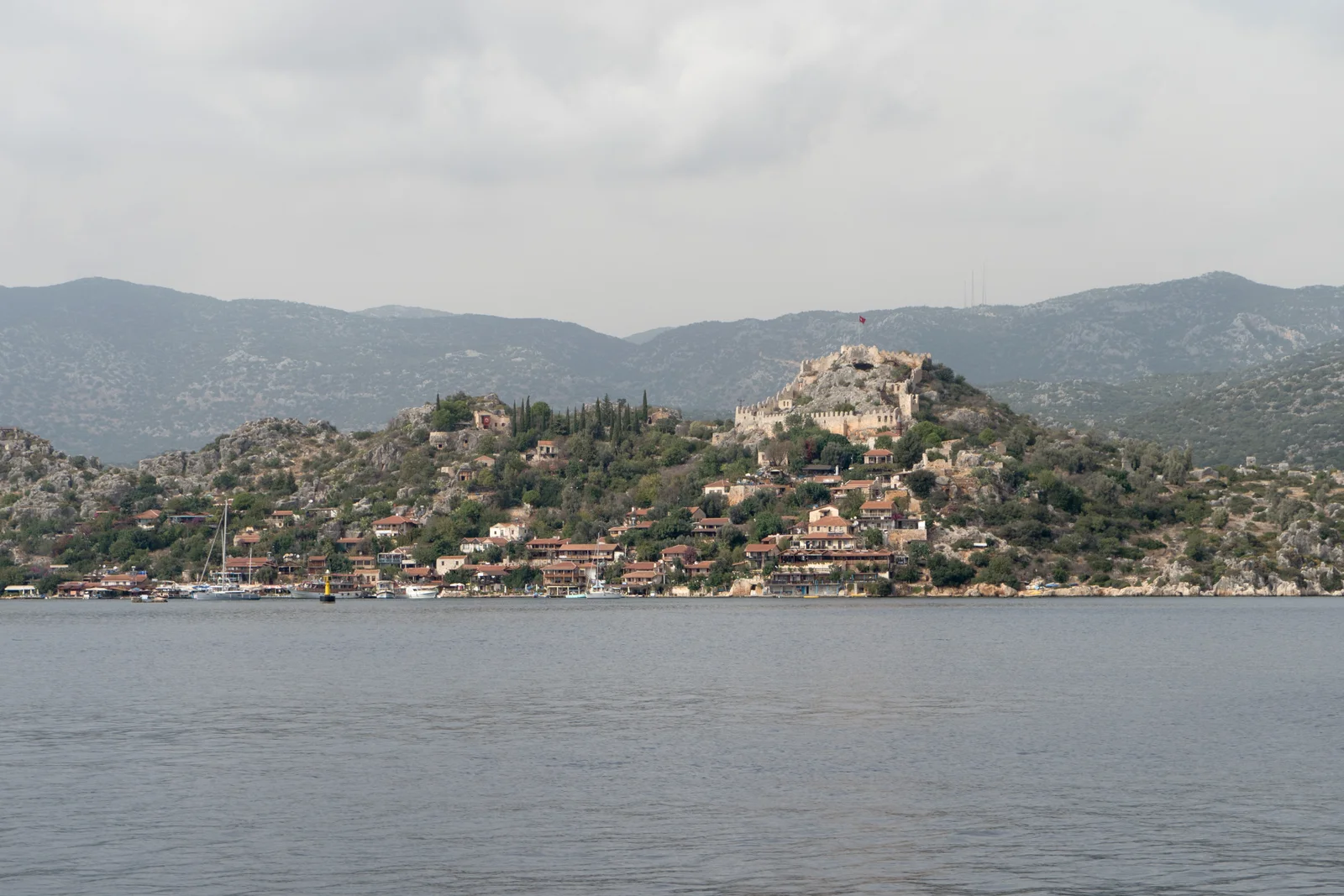
A slow day in Kaleköy and Simena: castle, village and sea
Meet Kaleköy in the Kekova region: Simena Castle, life by the water and a simple way to include a village visit in your boat-day plans.
Read the story ↗
Three days in Kalkan: the sea, old streets and nearby escapes
An unhurried introduction to Kalkan. Give one day to the town, another to Patara and a third to the water or the hills.
Read the story ↗